ChatGPT Dominates AI Website Referrals
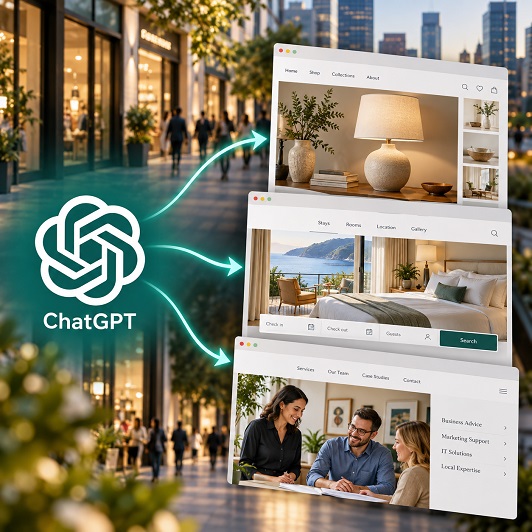
With ChatGPT accounting for 95.1 per cent of AI referrals measured by BrightEdge in August, in this Tech Insight we examine why its lead is growing, how AI is influencing purchasing decisions and what businesses should do to make themselves easier to find.
What Does The 95.1 Per Cent Mean?
BrightEdge, which sells search marketing and AI visibility tools, recently published figures showing visits referred to websites by AI platforms, rather than all website traffic, chatbot usage or online searches.
Within that category, ChatGPT’s August share far exceeded Gemini’s 2.4 per cent, Perplexity’s 1.1 per cent and Claude’s 0.8 per cent. ChatGPT therefore generated roughly 22 times the combined referrals of those three competitors!
However, BrightEdge doesn’t give a detailed breakdown of the websites included in its research, so the figure reflects the traffic it measured and may not represent the wider web.
Why Is ChatGPT’s Lead Growing?
ChatGPT’s referral traffic increased 101 per cent between January and August, including a 36 per cent rise in August alone. Over that final month, Gemini grew 1 per cent, while Claude and Perplexity declined by 15 and 17 per cent respectively.
The distinction between traffic growth and market share matters because a platform could gain share simply through competitors declining. Here, BrightEdge reports that ChatGPT also sent more visitors to websites, with chief executive Jim Yu explaining, “It is also sending substantially more users to the web than it was at the beginning of the year.”
BrightEdge links the recovery to OpenAI’s renewed focus on improving ChatGPT, although the figures don’t actually isolate which changes caused people to click. More users, different questions and clearer links could all influence referral volumes.
How The Interface Can Influence Clicks
Separate research from website analytics company Similarweb provides an example of how presentation can affect traffic. For example, its desktop panel recorded a sharp increase in ChatGPT referrals after more prominent website links appeared in May.
The proportion landing on company homepages rose from roughly 26–32 per cent to around 60 per cent during the period studied. This suggests an assistant can help someone identify a business before sending them to its website to investigate further.
Those findings cover a different period and dataset, so they don’t explain BrightEdge’s August results directly. They do, however, show why businesses should pay attention to where AI visitors arrive, rather than assuming they will land on the page containing the information that first attracted them.
AI Shopping Is Becoming More Common
The referral findings arrive as research from NielsenIQ, known as NIQ, points to wider use of AI during shopping. Its September announcement says 51 per cent of US consumers reported using at least one AI-powered shopping tool in the previous month.
Product recommendations were the most common application, used by 20 per cent, followed by personal shopping assistants at 16 per cent. The tracker uses a monthly sample of approximately 500 US consumers, so these are survey findings about reported behaviour, rather than a count of transactions.
NIQ describes the change clearly, saying, “Rather than replacing shopping, AI is compressing decision-making.” People are using it to compare options, assess value and narrow their choices, which means a business could be considered or excluded before a potential customer reaches its website.
This doesn’t mean half of consumers have authorised autonomous purchases, nor should the US figure be treated as a UK adoption rate. It does, however, provide context for why appearances in AI recommendations could matter commercially.
Being Mentioned Is Not The Same As Winning Business
It’s worth noting here that an AI answer can mention a company without supplying a link, while a linked recommendation may never actually receive a click. Even when somebody visits, the business still needs to establish whether that visit produces an enquiry, booking or sale.
That makes visibility, referrals and commercial results quite different measures. Treating them as interchangeable could encourage spending on improving an impressive-looking mention count without establishing whether customers are finding useful information or taking action.
What Does This Mean For Your Business?
For businesses, the starting point is their own website data. Marketing teams should identify visits from AI platforms, check which pages receive them and compare the resulting enquiries or sales with other channels. A growing referral source deserves attention, but the appropriate investment depends on its contribution to the business, rather than ChatGPT’s share of somebody else’s dataset.
Website content should also help people make a decision once they arrive. Clear service descriptions, current product details, transparent terms and evidence supporting important claims can help visitors assess suitability. If AI sends them to the homepage, that page needs an obvious route to relevant information and a straightforward way to contact the business or buy.
The wider risk is becoming dependent on another platform’s decisions about what to recommend and where to send users. Businesses should develop AI visibility while continuing to support conventional search, customer relationships and other sources of demand, judging progress by useful customer contact rather than traffic alone.