
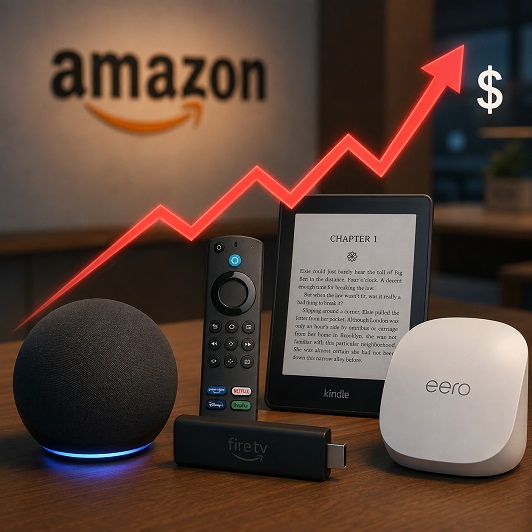
Amazon Hikes Device Prices As AI Fuels Memory Shortage
Amazon has sharply increased the US prices of many of its Echo, Fire TV, Kindle and eero devices, with some rises reaching 60 per cent, as the company passes on higher memory and storage costs linked to the wider AI-driven squeeze on semiconductor supply.
How Much Have Prices Risen?
The biggest increase is on one of Amazon’s cheapest devices. The Echo Dot has risen from US$49.99 to US$79.99, an increase of around 60 per cent, while the Echo Dot Max has moved from US$99.99 to US$119.99 and the Echo Show 11 from US$219.99 to US$249.99.
Kindle buyers are also paying more. For example, the entry-level 16GB Kindle has risen from US$109.99 to US$149.99, while the 16GB Kindle Paperwhite has increased from US$159.99 to US$199.99. Fire TV prices have also gone up sharply, with the Fire TV Stick 4K Max climbing from US$59.99 to US$84.99 and the Fire TV Cube from US$139.99 to US$199.99.
Amazon’s eero networking products have been affected too. A three-pack of eero 7 units has risen from US$349.99 to US$399.99, while the eero Pro 7 three-pack has increased from US$699.99 to US$799.99. Ring products were not included in the reported increases.
It should be noted that these are the list-price changes reported in the US, so they shouldn’t be assumed to apply identically in every country or to every Amazon device.
Why Is Amazon Putting Prices Up?
Amazon has attributed the increases to sharply higher memory and storage component costs, saying it had absorbed those costs for as long as it could before changing prices.
The problem is actually much wider than Amazon. For example, memory-market analyst TrendForce says conventional DRAM contract prices are expected to rise by another 13 to 18 per cent during the third quarter of 2026, while NAND Flash prices are forecast to increase by 10 to 15 per cent.
One of the main reasons is the extraordinary demand created by AI data centres. Large AI systems require enormous quantities of high-performance memory and storage, encouraging manufacturers to prioritise higher-value server products and high-bandwidth memory. That reduces the capacity available for more conventional components used in PCs, consumer electronics and networking equipment.
TrendForce says AI will remain the principal driver of memory demand during 2027 and expects DRAM supply to remain tight as demand continues to grow faster than production. NAND Flash supply may begin to loosen later in 2027, but the pressure is unlikely to disappear quickly.
Amazon Is Part Of The AI Demand Story
There is an interesting contradiction behind the price increases because Amazon isn’t simply suffering from the AI infrastructure boom, but is also one of the companies helping to drive it!
Amazon said in its latest quarterly results that AWS revenue grew 37 per cent year-on-year to US$42.2 billion, while its AI and chip businesses had each exceeded annual revenue run rates of US$25 billion.
Chief executive Andy Jassy said: “AWS is booming, growing 36.7 per cent year-over-year in Q2—our fastest growth in 18 quarters—and our AI and Chips businesses each eclipsed run rates of more than $25 billion.”
Amazon is simultaneously spending heavily on the data centres and chips needed to meet that demand, and its own financial guidance specifically identifies volatility in the availability and price of memory chips as a potential risk to its results.
The Importance Of These Products
The increases are notable because devices such as the Echo Dot and Fire TV Stick have historically been priced aggressively. Their value to Amazon extends beyond the initial hardware sale because they draw customers into Alexa, Prime Video, Amazon shopping and the company’s wider ecosystem.
That makes a 60 per cent increase on the Echo Dot more significant than a routine price adjustment. Cheap hardware lowers the barrier to joining Amazon’s ecosystem, whereas higher entry prices could make consumers more likely to delay purchases, retain older devices or consider competing products.
Amazon has indicated that promotions will continue throughout the year, so customers may still see discounts during major sales events. However, a higher underlying list price means future “sale” prices may not necessarily be as low as buyers have become accustomed to.
What Does This Mean For Your Business?
For businesses, the most important point is that the cost of the AI boom is increasingly appearing in products that have little obvious connection with artificial intelligence.
PCs, networking equipment, storage systems and other hardware all depend on memory components competing for manufacturing capacity with rapidly expanding AI infrastructure. If that pressure continues, businesses planning equipment refreshes may face higher prices, fewer configuration choices or longer waits for particular products.
That doesn’t mean organisations should rush into unnecessary purchases, but it does make hardware planning more important. Businesses with known upgrade requirements may benefit from budgeting earlier, monitoring supplier pricing and avoiding the assumption that technology will automatically become cheaper with time.
Amazon’s increases are another sign that the enormous investment flowing into AI is reshaping the economics of the wider technology market, with some of the cost now reaching customers who may never use an AI service at all.