Apple Turns iPhones Into A Subscription
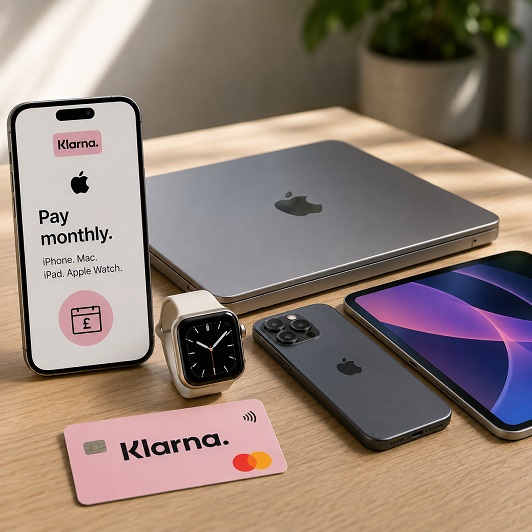
Apple has launched a new leasing programme that allows customers to pay a monthly fee for iPhones, Macs, iPads and Apple Watches, marking a significant change in how the company expects people to acquire its products as device prices continue to rise and upgrade cycles grow longer.
What Has Apple Announced?
The new programme, called Apple Upgrade, is now available in the United States and enables eligible customers to lease a range of Apple devices through Klarna rather than purchasing them outright or using traditional finance.
The scheme covers iPhones, Apple Watches, Macs and iPads, with leasing terms ranging from 12 to 36 months depending on the product. Monthly payments start from US$17.99 for selected iPhone models, US$11.99 for Apple Watch and iPad models, and US$24.99 for Macs. Customers can also reduce their monthly payments by trading in an existing Apple device through Apple Trade In.
At the end of the lease, customers can either upgrade to the latest model, purchase the device with a final payment or simply return it.
Announcing the programme, Karen Rasmussen, Apple’s Vice President of the Apple Store Online, said: “At Apple, we put the customer at the centre of everything we do, and we’re thrilled that Apple Upgrade offers our customers, both online and in-store, a more flexible way to pay for the products they love.”
Why Is Apple Introducing It Now?
The timing seems to reflect several changes taking place across the consumer technology market.
Premium smartphones, laptops and tablets have become steadily more expensive, while advances between successive generations have become increasingly incremental. As a result, many consumers are keeping their devices considerably longer than manufacturers once expected.
Also, recent research suggests that although many people intend to upgrade more frequently, the average smartphone replacement cycle is now approaching two and a half years. Performance improvements, battery degradation and reliability have overtaken the desire to own the newest model as the main reasons for replacing a device.
At the same time, Apple and other manufacturers are facing higher component costs, particularly for memory, where demand from AI infrastructure continues to place pressure on global semiconductor supply.
Against that backdrop, lowering the monthly cost of acquiring a premium device may prove more attractive than asking customers to pay well over US$1,000 upfront.
How Does The Programme Work?
Apple Upgrade replaces the company’s previous US iPhone Upgrade Program while extending the concept to a much broader range of products.
Customers apply through Apple online, the Apple Store app or in physical Apple Stores. If approved by Klarna following a soft credit check, they complete the purchase as they would any other Apple transaction.
Throughout the lease, customers manage their payments through the Klarna app. When the lease expires, they decide whether to move to a newer model, keep the existing device or return it.
Klarna describes the programme as giving customers “a new way to pay for eligible iPhone, Mac, iPad and Apple Watch” while offering “the freedom to upgrade, return, or buy.”
Apple has also designed the programme to integrate with existing services, including AppleCare and Apple Trade In, making upgrades and device returns part of a single customer journey.
A Different Way Of Thinking About Hardware
Perhaps the most interesting aspect of Apple Upgrade is not the financing itself but the way it changes the relationship between customers and technology ownership.
For example, for decades, buying a computer or smartphone typically meant making a substantial one-off investment and keeping the device for several years before repeating the process.
Leasing encourages a different mindset. Rather than owning a device outright from day one, customers pay a predictable monthly amount while retaining the flexibility to move to newer hardware more regularly if they choose.
The approach mirrors changes already seen elsewhere in the technology industry, where software has largely moved from perpetual licences to subscription services. Apple appears to be applying a similar philosophy to hardware, making access to its products feel more like an ongoing service than a traditional purchase.
The programme is also likely to help Apple maintain longer-term relationships with customers while making future upgrades easier and potentially more predictable.
What Does This Mean For Your Business?
For businesses, Apple’s new programme reflects a broader change in how technology is being acquired and managed.
Monthly leasing can make budgeting easier by spreading costs over predictable payment periods rather than requiring large capital purchases every few years. That approach may be particularly attractive for organisations equipping employees with premium devices while seeking greater flexibility over hardware refresh cycles.
The launch also highlights how rising technology costs are influencing commercial strategy across the industry. As smartphones, laptops and tablets become more sophisticated and expensive, manufacturers are increasingly looking for ways to reduce the barrier to upgrading without reducing the value of their products.
Perhaps most significantly, Apple Upgrade demonstrates that technology ownership is gradually becoming less important than guaranteed access to current devices. Businesses should expect similar models to become increasingly common across the wider technology sector as manufacturers seek recurring customer relationships, smoother upgrade cycles and more predictable long-term revenue.